Essay · 5 min
The Art of Niche Perfumery
What actually separates a niche house from a designer one — and what doesn't.
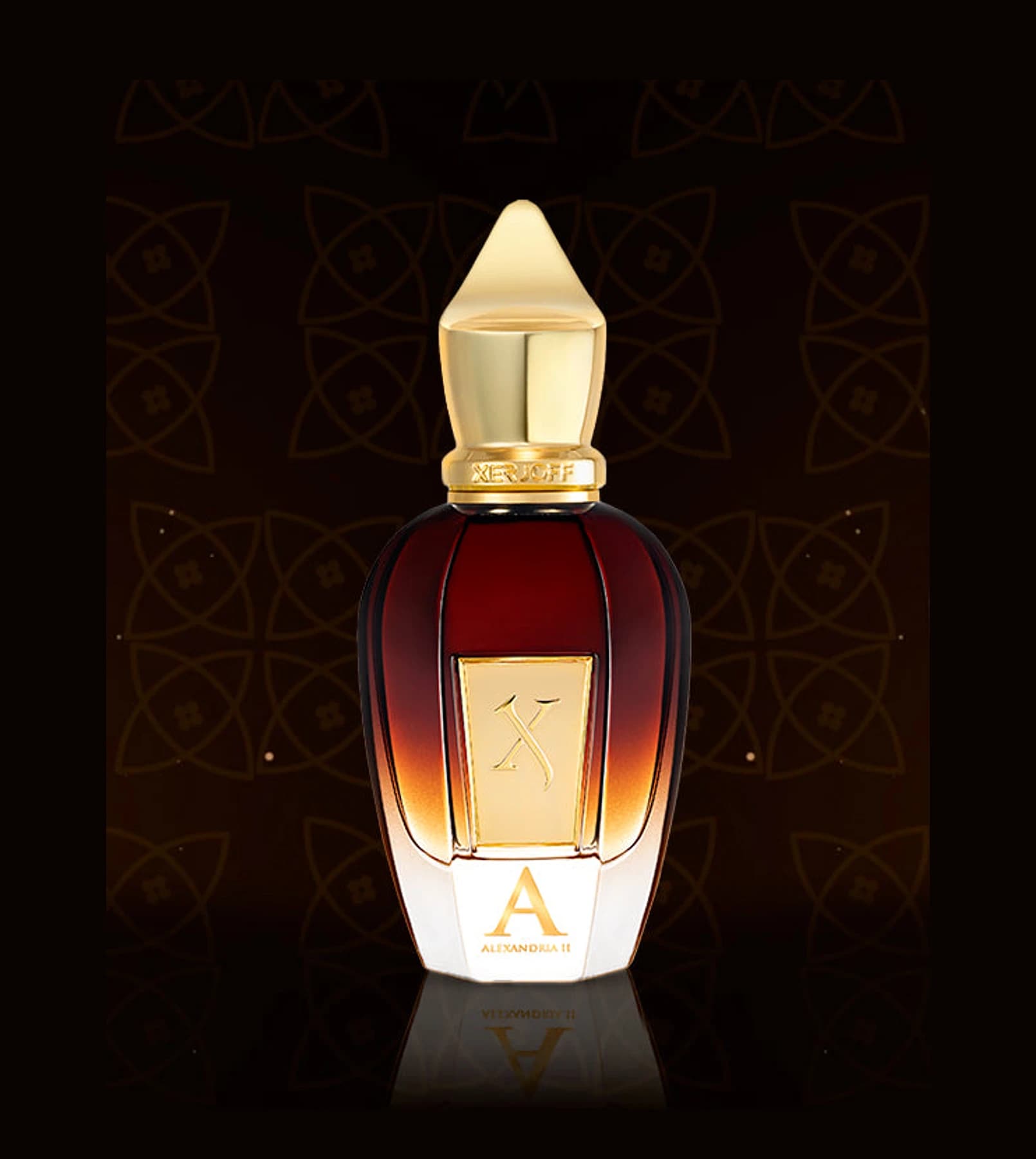
“Niche” is a slippery word. It once meant small, independent houses working outside the fashion system — Diptyque, Frédéric Malle, Amouage — with freedom to use expensive materials and to make difficult, uncommercial things.
Some of that still holds. Niche compositions often carry higher concentrations, more natural materials, and a point of view that a mass-market launch cannot afford. A house built around frankincense or a single kind of rose can go deep in a way a designer flanker rarely does.
But the line has blurred. Designer houses now run their own “private” collections; some niche brands are owned by the same conglomerates. The useful question is no longer the label on the box. It is whether the fragrance says something specific — and whether it says it well.
That is the filter AUREL curates through.